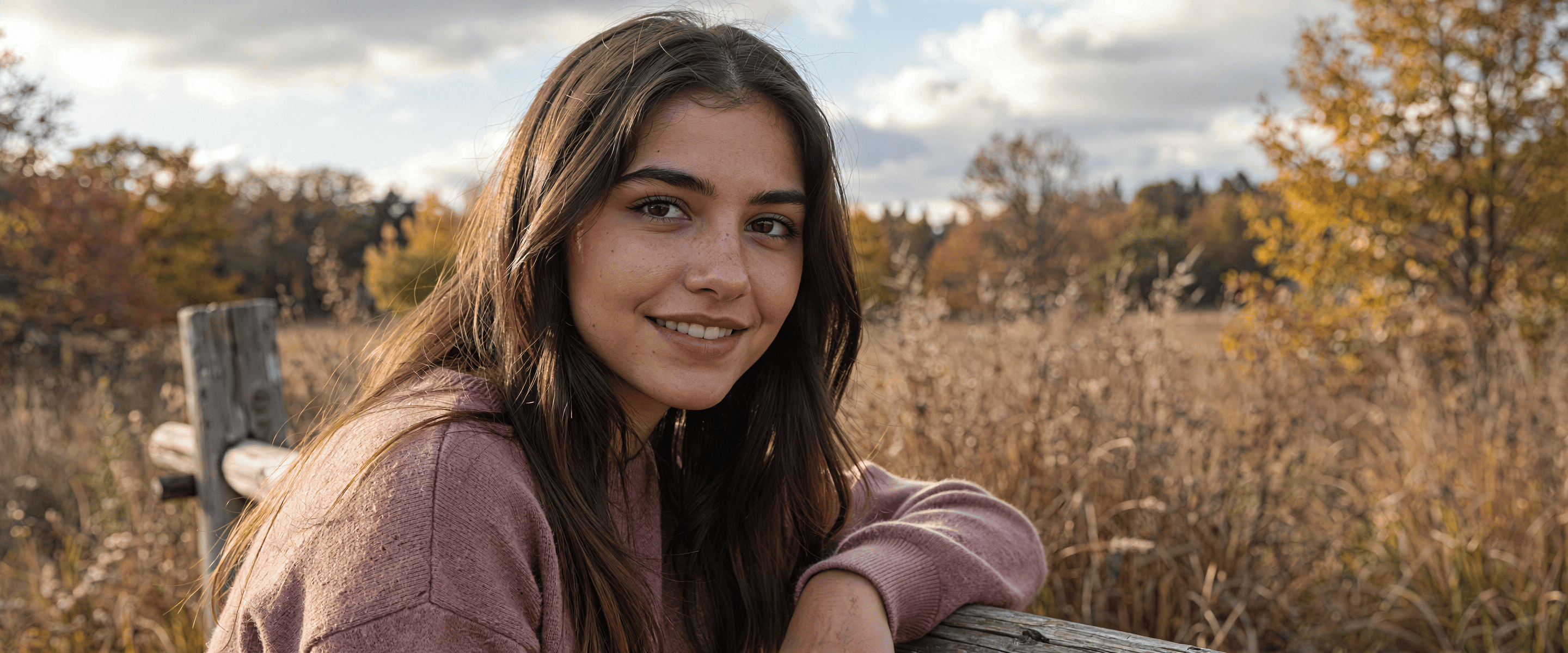
Dating while running a homestead follows different patterns. Farm work often demands early mornings, long days and chores with no fixed end. Weather can force last-minute schedule changes; market swings affect seasonal income. Those realities narrow when and where you meet people, so finding someone who shares homesteading values—simplicity, shared labor and intentional connection—is crucial. This piece offers practical steps to match with people who fit your rhythm: assess real compatibility, combine lifestyles thoughtfully and use community resources. If harvest or animal care keeps shrinking your dating options, read on for concrete adjustments.
Local networks and agricultural training programs expand your circle; community groups and farm organizations provide support during unpredictable periods. Countryside beauty exists beside nonstop work, so adaptability, clear expectations and candid conversations about finances tied to weather and markets are essential. Actionable tips follow to improve profiles, plan dates that respect farm schedules and vet partners for rural readiness. These steps help you keep your homestead life while finding a partner who understands farming realities and values shared stewardship.
Understanding the Homesteading Singles Landscape
Here’s the thing: homesteading singles come from varied agricultural and professional backgrounds. Some are young professionals drawn to technology-driven farming, drones, AI and climate-smart practices. Others seek simplicity, authenticity and intentional connection. Vocational programs and ATVET training expand pathways for women and others into marketing, agribusiness or technical farm roles. That variety means people date with different priorities.
A common myth is that farming is outdated; training and innovation challenge that view. Many share core values: shared labor, time outdoors and low-tech moments. Local support networks and farm organizations help couples balance work and relationship demands. Agribusiness careers create chances beyond fieldwork, offering marketing and tech roles that appeal to people interested in practical skills and modern farming. These options help partners build sustainable incomes and shared long-term goals.
Why Traditional Dating Advice Fails Homesteaders
Common dating tips assume flexible evenings and quick getaways. Farming doesn’t fit that mold. Weather, markets and round‑the‑clock animal care make schedules unpredictable. Traditional advice misses the need for planned windows and clear boundaries.
- Harvest and planting blocks require multiday focus.
- Animal emergencies like birthing or illness cancel trips.
- Long working hours and ongoing tasks extend workday.
- Market swings change available funds for dates.
- Long distances limit casual meetups.
- Early mornings and evening chores shrink shared time.
Accepting these facts helps you plan realistic dating rhythms. Be honest about schedule constraints and propose fixed windows like a Saturday morning coffee or a two‑hour sunset walk after chores. Plan ahead.
Core Values That Define Homesteading Compatibility
Homestead compatibility shows up in daily habits, not grand gestures. Shared values about land care, honesty about roles, and steady work ethic predict long-term fit. Community ties and flexibility for weather and markets strengthen bonds. Here are surface and deep signals.
Use this simple framework to evaluate partners beyond attraction. Ask specific questions about days, money swings, and who does which chores. Example: if one partner expects weekend getaways while the other plans harvest, conflict will follow. Another common failure is praising lifestyle without pitching in during hard seasons. Be deliberate. Sources: Homestead Lifestyle Values.
Where Homesteading Singles Actually Meet
Farmers' markets and buying local produce are easy ways to meet people. Farm visits and educational tours let couples learn together and relax while seeing how food is grown. Agricultural training and ATVET classes bring practical-minded people together and often spark connections. Community groups and local farm organizations create support networks where conversations shift toward partnership.
Online forums tied to agriculture extend reach beyond town lines. These settings tend to be low-pressure and show how someone handles tasks, cooperation, and daily routines. Many introductions start with shared chores or market stalls instead of formal dates. Try a market day, a workshop, or a farm visit to make first connection.
Crafting an Authentic Online Dating Profile
When trying to find a match, remember that an honest profile saves time and helps you meet people who understand farm rhythms. Organic, climate-smart and tech‑savvy farming appeals to environmentally minded, innovative singles, so mention sustainability and practical innovation without glamorizing chores. Use concrete details about schedules, chores, and goals.
- Show a photo of you working—feeding chickens, hauling hay, or using farm tech.
- State weekly time commitments and seasonal limits (e.g., planting: April–May).
- List specific farm tasks you do and tasks you want a partner to share.
- Mention long-term land or business goals plainly.
- Use a short warm line about values: simplicity and shared labor.
- Note how market swings affect seasonal income and typical free windows.
- Avoid vague claims, constant complaints, or hiding rural location.
First Date Ideas for Busy Farmers
First dates on a busy homestead should fit real schedules. Try farmers market mornings where conversation happens among stalls and local food. Invite someone on a short farm tour to reveal daily rhythm. Walk through gardens or seed rows and help with simple chores like feeding animals. Bring a sunset picnic or sit by a small bonfire to relax after work.
Join a food‑preservation or farm‑to‑table workshop to cook and learn together. These activity dates show work ethic and lifestyle fit. Be clear about seasonal limits such as planting and harvest. Ask practical questions up front and state expectations plainly. Share preferred times and chores before scheduling a date.
Vetting Partners for Lifestyle Compatibility
Vetting a partner for homesteading life is practical work. Farms face weather uncertainty, market swings and long days, so testing fit matters.
Ask direct questions: Can they join a market or farm event? Will they help with feeding or planting? How do they handle sudden schedule changes? Watch behavior during chores and workshops. Red flags: admiring countryside without trying tasks, refusing basic chores, frequent complaints about weather or hours, and avoiding money or role talks. Test fit in short, realistic settings before deeper commitment today.
Communication Strategies for Agricultural Relationships
When you're dating on a homestead, communication must be regular. Talk about roles early—who feeds animals, who manages money and seasonal chores. Schedule check-ins before planting and harvest.
- Money: explain seasonal income swings and budgets; discuss debt and off-farm work.
- Work: list daily chores and help—feeding, fencing, equipment checks.
- Time: agree on protected meals, weekly check-in and short off-days.
- Future: share land plans, business goals and succession expectations.
- Emergencies: agree who covers animal births, illness, equipment breakdowns.
- Community: identify local groups, extension services, neighbors for support.
- Boundaries: set non-work meal times and protected evenings.
Try starters: "How do you handle surprise chores?" or "What does a good weekend look like?" Pace talks across visits. Keep them brief and honest. These talks reveal compatibility. Start small; repeat.
Managing Long-Distance in the Agricultural Context
Here's the point: long-distance homestead relationships need realistic rhythms. One partner may live in town while exploring rural life. Visits must respect farm obligations and seasonal intensity. Test adaptation with hands-on tasks — milking, planting, market stalls. Attend local events and farm workshops to join the community. Maintain connection with regular check-ins and protected meals during busy seasons.
Discuss relocation timelines openly and plan gradual integration. Watch for romanticizing without participation; that signals mismatch. Agree boundaries for farm talk during visits. Small practical tests reveal fit more reliably than promises. Use community support and agricultural training to assess long-term fit. Plan realistically. Include short trial stays before major relocation or moving decisions.
The Role of Agriculture Education in Modern Romance
Agricultural education and ATVET programs create practical meeting places for homesteading singles. Many ATVET courses focus on technical skills and open access for women entering farming careers. Couples who take classes together often notice better teamwork; shared training reveals work habits and task approaches. Programs that include agribusiness and modern techniques help partners align business aims.
Local classes and community training build useful networks and practical support. Learning core homestead skills side by side builds confidence through small, achievable tasks. For new entrants, joint education eases the shift to farm life and clarifies roles. Shared learning acts as both skill-building and an investment in relationship resilience and local ties.
Introducing New Partners to Farm Life Realities
Introduce a partner to farm life slowly. Start with short visits in calm months and have them observe morning chores and market routines. Be frank about unpredictable schedules, animal care, and constant labor. Include small decisions so they learn how seasons change tasks and income.
- Begin: short visits; example—attend a Saturday farmers market together.
- Help: pair one simple chore with explanation, e.g., feeding chickens.
- Decide: invite them to plan a planting or market day with you.
- Season: show both quiet winters and busy harvest weeks.
- Money: explain seasonal income swings tied to weather and prices.
- Test: try a weekend trial stay during a low‑pressure week.
- Learn: take an ATVET course together to build shared skills.
Small steps and repeated short visits reveal fit faster than promises.
Balancing Independence and Partnership
Though homesteaders value self-reliance, relationships need teamwork. The Homestead Relationship Philosophy stresses balancing individual skill with practical partnership. Independence is respected, but friction arises when one person refuses to share tasks. Healthy interdependence on a farm appears as complementary skills, mutual support during crises, shared decision-making and respect for each contribution. Keep separate interests so identity remains—gardening classes, local workshops or market stalls offer personal space.
For example, one partner may handle equipment maintenance while the other manages markets and preserves income. Avoid assuming traditional roles; discuss who does what and adapt when seasons demand change. Small, repeated acts of help build trust and steady the relationship amid unpredictable farm work. Plan shared workshops to grow skills and connection. Celebrate small wins like a finished fence.
Financial Transparency in Homesteading Relationships
Money on a homestead moves with weather and markets. Income can swing by season. Farming often means long, unpredictable hours. Talk about money early and often. Agribusiness jobs and technical training can provide steady off‑farm pay and diversify income.
Keep talks practical. State facts, set boundaries, and use short check‑ins to build trust without killing the spark. Try short trial stays across seasons to observe time and income reality. Repeat financial check‑ins annually. Include agribusiness income options, too.
Seasonal Relationship Rhythms on the Homestead
Seasons set the rhythm on a homestead. Planting requires concentrated days; summer brings maintenance; harvest can mean long, intense shifts; winter offers slower windows. Couples succeed when they plan around those cycles. Schedule brief check-ins before busy seasons. Set realistic expectations for time and money. Book quality moments in advance—Saturday market mornings, garden walks, or a short evening picnic after chores.
Use slower months for courses, preservation projects, or longer visits. Testing fit across a season shows true compatibility: how someone responds to an animal emergency or a sudden weather change reveals priorities. Small, repeatable rituals keep connection steady through the year. Talk about seasonal expectations before serious commitment.
The Appeal of Modern Agricultural Technology
Modern farms using climate-smart methods, drones, and AI attract singles who value sustainability and technology. Many people appreciate the mix of innovation and hands-on work. Agribusiness roles in marketing and farm technology widen career paths beyond field labor. Innovation challenges old rural stereotypes and draws tech-minded partners. Shared training, like ATVET or local workshops, helps couples learn together and test daily fit.
A drone demo, a joint pruning class, or a market stall shift can reveal habits and teamwork. Environmentally focused farming appeals to conscious singles who want purpose in dating. Modern agriculture creates concrete pathways to partnership rooted in shared values and skills. Start by joining local demos.
Building Support Systems as a Farming Couple
Rural couples can feel isolated when fields and chores take most of the day. Building a local and online support network reduces strain and provides practical help during busy seasons. Community ties strengthen resilience.
- Local farming organizations — monthly troubleshooting meetings and equipment swaps.
- Agricultural extension programs — low-cost workshops and referrals for vet, soil, and business help.
- ATVET and vocational classes — paired training builds practical skills.
- Online homesteading groups — quick troubleshooting, seed-saving tips, and emotional support across miles.
- Neighboring farm families — trade labor, babysit during harvest, or cover machinery breakdowns.
- Agricultural advocacy groups — links to grants, policy updates and funding.
- Peer couple networks — compare seasons, swap tactics, and share routines.
Start small: attend one local event monthly, share tasks with trusted members, and keep private time sacred.
Red Flags in Homesteading Relationships
On a homestead, certain warning signs matter more than charm. Red flags include romanticizing country life without trying chores, refusing to help during animal or weather emergencies, and complaining about smells or mess. Expecting fast farm profits or avoiding talks about long‑term land plans signals mismatch. Disrespect for steady physical work or insisting on fixed gender roles also undermines partnership.
Some difficulties are normal: tiredness, learning curves, seasonal stress. Keep testing fit by asking for help, scheduling check‑ins, and using short trial stays across a calmer season. Leave when patterns repeat, like refusal to pitch in, denial about finances, or avoiding role conversations. Limited local dating pools can make people ignore signs, so name concerns and measure responses. Test with small tasks before deciding to commit.
When to Introduce Partners to Your Farm Family
Introduce a partner to your farm life slowly. Start with short visits during calm seasons and show morning chores, market routines and quieter winter days. Explain daily rhythms and how income shifts with weather and markets before deeper introductions. Set clear boundaries about questions and who handles specific chores. Offer small responsibilities with simple explanation — for example, feeding chickens or stacking hay bales together.
Time longer visits for low-pressure weeks and try a weekend trial stay. Join local events or ATVET classes together to normalize introductions and observe work habits. After visits, protect private time to debrief, share impressions and decide next steps. Repeat visits reveal practical fit better than promises.
Long-Term Planning for Homesteading Partnerships
Here's the thing: planning together on a homestead ties practical business choices to relationship work. Agribusiness opportunities and agricultural entrepreneurship can shift income sources and role expectations, so partners should discuss business structure and shared aims. Open talk about duties and money reduces confusion when weather or market shifts demand flexibility. Local networks and vocational programs, including ATVET, offer training and reveal work habits via shared tasks.
Shared environmental goals—soil health, conservation or local food—create common purpose and guide land stewardship for future generations. Test commitments with joint learning or market days to see how chores and sales divide. Schedule regular, focused talks about goals, income streams and childcare plans. These frank, skills‑based conversations help steady the relationship when farm work intensifies. Lean on support systems during peak seasons.
Maintaining Romance Amid Farm Responsibilities
What about romance? Keeping romance alive on a working homestead takes intention. Rituals and clear boundaries protect connection when chores and seasons demand attention.
- Share a quiet cup of coffee before morning chores to sync the day.
- Watch sunsets together briefly—just be present.
- Create seasonal rituals tied to planting, preservation, or harvest like seed saving.
- Send two short texts during long shifts: a progress photo and a check‑in.
- Celebrate milestones—mended fence, first canned jars, or strong market day—with a small ritual.
- Guard meal times; make one no-work dinner weekly.
- Plan intimacy during lower energy windows instead of forcing late nights.
- Turn work into dates: garden walks, shared fence repair, or a small bonfire after chores.
These actions draw on work‑life balance and unplugged activities to keep partnerships steady, resilient.
Dealing with Outside Judgment and Misunderstanding
Nonfarm friends and family often misunderstand homestead life. Weather creates constant uncertainty and market fluctuations cause income instability. Long hours and chores with no set finish make schedules hard to explain. Say these realities plainly. Invite skeptical friends to a farmers market, a farm tour, or an ATVET class so they see daily tasks and rhythms.
Build connections with local farming groups and online forums for practical advice and emotional support. Exchange labor or resources with neighbors to reduce isolation. Anchor relationship choices in shared work and clear understanding rather than outside approval. Small shared rituals and hands-on tasks build trust. Keep communication honest daily. Lean on local networks.
Environmental Values as Relationship Foundation
Shared environmental commitment often becomes the backbone of homestead relationships. Couples who contribute to environmental preservation through agriculture report a stronger sense of purpose and closer bonds. Choosing sustainable romance practices—eco‑friendly gifts, buying local products, and sharing farm experiences—signals aligned values. Working toward food security through farming also becomes meaningful shared work that ties partners to community and future generations.
Agriculture's lessons—nurturing, patience, steady care—translate into partnership habits. The homestead relationship philosophy treats daily chores as moments for connection when couples punctuate work with intentional togetherness. When partners share responsibilities and communicate about sustainability goals, environmental values move beyond hobby status into relationship foundation and strengthen farm couple bonds.
Actionable Steps to Start Your Homesteading Love Story
Practical steps get you moving. Use this action plan to match values and daily rhythm on a homestead.
- Update your dating profile with candid farm photos: feeding chickens, market stall or tool work.
- Note weekly chores and seasonal limits—share planting or harvest windows so matches know availability.
- Attend three local events monthly: farmers markets, workshops, extension talks; track who you meet.
- Join online homestead groups for quick tips, seed swaps and introductions across regions.
- Talk with established farming couples—ask about routines, money rhythms and crisis responses.
- Write non negotiables on time, money and chores; review them before deep commitment.
- Prepare a thirty second pitch explaining why homestead life matters and your role.
- List first date ideas revealing work habits: market mornings, short tours and shared chores.
Frequently Asked Questions About Homesteading Dating
How soon should I tell someone I'm dating about my homesteading lifestyle?
Be direct. Put weekly time commitments and seasonal limits in your profile. Mention planting and harvest windows before a first in-person date. Short, honest signals save time and reveal practical lifestyle fit—test with short visits.
What if my partner seemed enthusiastic about farm life but changed their mind after experiencing it?
If a partner seems keen but backs out after trying farm life, test fit with short visits and a weekend trial. Ask them to do a chore like feeding chickens, name concerns, and watch reaction.
Is it realistic to find a compatible partner when living in an isolated rural area?
Finding a partner in a remote rural area is possible. Farmers markets, ATVET classes, community groups and homestead forums widen your circle and reveal how someone handles chores. Begin with short visits and practical workshops to test compatibility.
How do I balance farm responsibilities with making time for dating and relationships?
Protect shared time. Schedule brief check-ins and one no-work dinner each week. Book dates during slow months; use Saturday market mornings or short sunset walks after chores. Test fit with short visits in calm seasons.
Should I only date people who already have farming experience or are established homesteaders?
Shared agricultural education and ATVET courses let partners learn practical farm skills together. Try visits, a weekend trial or paired workshops. Have them feed chickens, work a market stall, or help on a planting day.
Experience SofiaDate
Find out how we explore the key dimensions of your personality and use those to help you meet people you’ll connect more authentically with.