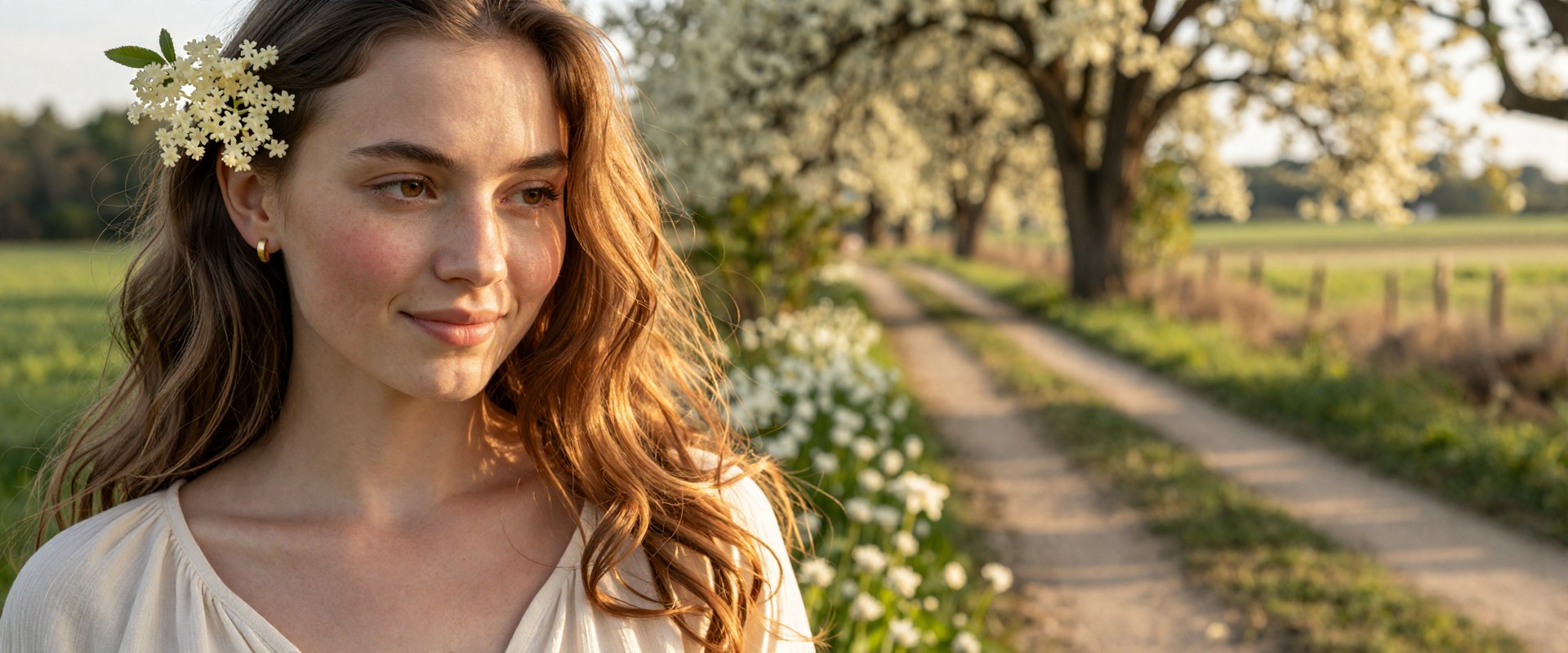
By early 2026, the hashtag #solodate had accumulated more than 149,000 posts on Instagram. That is not a niche wellness phenomenon - it is a signal that a significant number of people are actively choosing to spend intentional, date-quality time with themselves. And no, this is not a consolation prize for being single.
Milwaukee psychotherapist Hong Yin defined dating yourself in April 2024 as the deliberate practice of investing time, energy, and attention in yourself the way you would in a romantic partner. The psychological backing is real: research on chosen solitude consistently links it to reduced stress, stronger self-awareness, and better emotional regulation. This applies whether you are single, newly out of a relationship, or fully partnered.
So what does it actually mean to date yourself - and why does the framing matter?
What Does 'Dating Yourself' Actually Mean?
Solo dating means treating yourself as a worthy recipient of the same attention and care you would extend to someone you are romantically pursuing. That means planning activities with intention, showing up fully, and noticing what you actually enjoy - not what you tolerate because someone else is there.
"Dating yourself is about intentionally investing time, energy, and attention in yourself the way you would in a romantic partner." - Hong Yin, psychotherapist, Milwaukee, April 2024
The term has no formal clinical definition, but its cultural traction is undeniable. Where it differs from self-care is in the relational framing: solo dating builds a relationship with yourself through specific, purposeful experiences - activities chosen because they reflect your preferences, not anyone else's.
The Data Behind the Solo Date Trend
Match Group's 2025 Singles in America study (5,001 US adults) found that 45.7% of single adults went on zero romantic dates in the preceding year. Bumble's 2025 Dating Trends report (41,294 members) found that 64% of women were getting clearer about what they want. Statista recorded 381 million dating app users worldwide in 2024 - a figure that reflects reach, not satisfaction.
The solo dating trend is a direct response to modern dating dissatisfaction - not an escape from it.
Solitude vs. Loneliness: Why the Difference Matters
"Loneliness happens to you. Solitude is something you choose." - rollingout.com, October 2025
That distinction is more than semantic. Psychologists Long and Averill defined solitude in 2003 as "the state of being alone without being lonely" - a condition defined by attitude and agency, not circumstance. A 2024 review by Nguyen and Rodriguez in the Social and Personality Psychology Compass confirmed that chosen solitude increases self-awareness and supports emotional processing.
A 2021 study by Hipson and colleagues analyzed more than 19 million tweets and found that "solitude" correlated consistently with positive emotional states, including joy. The variable separating productive alone time from painful isolation was not the absence of other people - it was whether the person had chosen to be there.
What Science Says About Intentional Alone Time
A 2018 study by Nguyen, Ryan, and Deci in the Personality and Social Psychology Bulletin found that people who chose to be alone reported relaxation and significantly reduced stress. A 2023 study in Scientific Reports, tracking 178 participants over 21 days, found that autonomous solitude meaningfully reduced the well-being costs that social isolation typically produces.
A 2020 literature review from Brigham Young University found that intentional self-reflection measurably improves emotional regulation over time. The qualifier running through all of this research is motivation. Solitude chosen for self-reflection produces benefits. Solitude imposed by circumstance tends to produce loneliness. The practice has to be voluntary to work.
The Real Benefits of Dating Yourself
London psychologist Dr. Natalie V. Bailey, writing for Service95, noted that solo dating has "psychological grounding in cognitive behavioural therapies and attachment-based theory." The benefits are documented:
- Self-discovery: Solo time surfaces your own values and preferences without another person's influence shaping the outcome.
- Self-care literacy: You learn what actually restores you, versus what simply keeps you occupied.
- Independence: You build capacity to generate your own enjoyment rather than sourcing it externally.
- Stronger boundaries: Comfort with yourself makes it easier to recognize and decline what does not serve you.
- Confidence in public: Repeated solo outings reduce the anxiety that comes from being seen alone.
- Better relationships: Calm's December 2025 blog noted that intentional alone time makes people "more grounded, present, and self-aware" in their connections with others.
Self-Love and Better Relationships: The Research Connection

A January 2026 study in Discover Psychology by Springer Nature found that self-care and self-acceptance are significant predictors of passion, intimacy, and commitment in romantic partnerships. The research builds on Eva Henschke's 2023 framework in the Humanistic Psychologist, which identified three components of self-love: self-contact, self-acceptance, and self-care.
Dr. Kristin Neff at the University of Texas at Austin has argued that self-compassion is a more durable foundation for self-worth than self-esteem, which is conditional and comparative. Therapist Caitlin Cantor, writing in Psychology Today, puts the downstream consequence plainly: your relationship with yourself always shows up in how you date. Solo dating is preparation for partnership - not an alternative to it.
Signs You Could Benefit From Dating Yourself
These are starting points, not character flaws. How many of the following feel familiar?
- You have no idea what you would order at a restaurant if no one else had an opinion.
- A free Saturday with no plans feels more like a problem than a gift.
- Your taste in music and films has gradually aligned with a partner's, and you are not sure what was originally yours.
- You feel low-grade anxious when you have no social plans and cannot explain why.
- You have not done something alone in public - by choice - in longer than you can remember.
- You struggle to articulate what genuinely restores you versus what simply distracts you.
If two or more of these land, that is a clear argument for scheduling a solo date this week. What do you actually enjoy when no one else's preference is in the room?
How to Plan Your First Solo Date
There is no formula, but there is a method. Calm's December 2025 guidance is direct: start small, and put it on your calendar. "When it's on the calendar, it becomes official." A 30-minute coffee at a new café, a Saturday morning at the farmers market, a walk with a playlist you love. These count.
Add a ritual element. Dr. Natalie V. Bailey advises first-timers: "Acknowledge that it's natural to feel nervous before stepping out alone. Feel the fear and do it anyway." Harrogate Organics' January 2025 guide suggests a pottery class, dance workshop, or online course as accessible entry points. Dress with some care. Light a candle if it is at home. The goal is to signal to yourself that this is different from an ordinary Tuesday evening.
Solo Date Ideas: A Practical Menu by Mood
Use this as a starting reference, not a checklist. Budget is a rough guide.
The principle is consistent: choose what you would do if no one else's preference mattered.
The Four Types of Solo Dates (and What Each One Reveals)
TheEveryGirl identified four categories of solo dates in November 2025. Adventurous dates - a concert, a hike, a solo trip - show how you handle novelty when no one is managing your reaction. Creative dates reveal what you actually make or choose when no one is watching. Indulgent dates clarify what genuinely restores you versus what you have done for other people's comfort. Contemplative dates surface your internal narrative: what you think about when the noise is gone.
Try at least one date from each category over four consecutive weeks. The pattern of what you enjoy - and avoid - tells you more than any personality quiz.
Overcoming the Awkwardness of Going Out Alone
"No one cares that you're there alone." - amerryloner.com, on solo cinema
The discomfort is real. Leisurehacker.com described the feeling of being watched during early solo outings - and arriving at three realizations: nobody is watching, it would not matter if they were, and independence is something to feel good about.
Nguyen and Rodriguez's 2024 research in the Social and Personality Psychology Compass found that solo activities are often perceived as social norm violations. When people reframe that perception - treating solo outings as empowering rather than shameful - the experience actively enhances their sense of self.
Calm's December 2025 coverage noted the awkwardness typically fades once you have felt how freeing solo activity is even once. Start in low-stakes settings: coffee shops and libraries before restaurants and concerts.
Dating Yourself After a Breakup: A Timeline
Post-breakup solo dating is not the same as keeping busy. It addresses a specific loss: not just the person, but the "us" filter that shaped your preferences, your weekend plans, and your sense of direction. Sentari's December 2025 framework identifies three stages.
Months one to two: Small, intentional acts - returning to a favorite café, taking a walk somewhere you avoided because it felt like "couples territory." Months two to six: Genuine discovery begins; new interests surface and public confidence grows. Six months and beyond: Solo dating becomes maintenance, not recovery.
Dr. Kristin Neff's work on self-compassion applies directly here: setbacks during this period are not failure. Start with something you loved before the relationship, or something entirely new that belongs only to you.
How Solo Dating Helps You Rediscover Who You Are
Long-term relationships are identity-shaping in ways that only become obvious when they end. Sentari noted in December 2025 that post-breakup loss is often less about the person than about the future you mapped out together - and the daily habits that had quietly become joint property.
Brown Girl Trauma's July 2025 writing put it plainly: "The more time you spend with yourself, the more you understand who you are." TheEveryGirl documented a shift from simply "getting comfortable being alone" to "building a relationship with myself rooted in trust, peace, and authenticity." That shift does not happen through thinking. It happens through direct experience - showing up for yourself repeatedly until a clearer picture emerges. Solo dating is the mechanism, not the philosophy.
Building Firmer Boundaries Through Self-Knowledge

Genuine independence reduces the fear of saying no. When you are comfortable alone, you are less likely to accept situations that do not serve you. Therapist Caitlin Cantor, writing in Psychology Today, frames self-love as meaning "setting appropriate boundaries before or during dating." Joe Gibson, writing in Medium in January 2025, put it bluntly: self-honesty prevents people from becoming "complicit people-pleasers who lower standards."
When you know what you value - through solo experience, not abstract reflection - you can articulate it clearly to partners and colleagues. Boundaries are not walls. They are a working knowledge of what you will and will not compromise, and solo dating builds exactly that.
Journaling as a Solo Date: The Most Underrated Practice
Nguyen and Rodriguez's 2024 review found that solitude reliably increases self-awareness - and journaling is the most direct way to turn that awareness into usable self-knowledge. Amerryloner.com recommends writing down what you enjoyed and what you did not after each solo date. Harrogate Organics suggested writing letters to your future self as an occasional higher-stakes variation.
Weinstein's 2023 paper in the European Journal of Social Psychology identified three strategies for thriving in solitude: present-moment focus, self-compassion, and perspective-taking. Journaling operationalizes all three at once. Build a 10-minute writing session into any solo date as a closing practice - not homework, but the part where you actually retain what happened.
Solo Travel: When Dating Yourself Goes Further
"I took a solo trip to Egypt specifically to remind myself of who I am and that I can do things independently." - Dr. Natalie V. Bailey, psychologist, Service95
Leisurehacker.com observed that solo activities are "somehow easier abroad" - stripped of familiar social context, you default to your own instincts more readily. A weekend getaway is enough if the trip runs entirely on your preferences, your pace, and your decisions.
TheEveryGirl documented adventurous solo dates turning pre-trip nerves into post-trip confidence. Travel works as a solo dating format because it removes the social scaffolding of home life and makes self-awareness unavoidable. For nervous solo travelers, the practical starting point is one domestic overnight trip. One night away alone is already diagnostic.
Solo Dating When You Are Already in a Relationship
Solo dating is not a symptom of a struggling relationship - it is maintenance for the self that exists inside one. The Good Trade's editor Stephanie Valente has written about keeping regular solo dates while partnered specifically for "creativity and confidence." A Brit+Co writer described solo dates in February 2025 as a "luxury" she actively protects while engaged and co-parenting.
Bumble's 2025 data found that one in two women link being true to themselves with pursuing their own interests. Calm frames solo time as a chance to "slow down, reflect, and listen to what you actually think and feel." A relationship does not dissolve that need - it just makes scheduling it feel less urgent until it is overdue. When did you last do something entirely yours?
How Often Should You Date Yourself?
Calm's December 2025 guidance is clear: "What matters most is consistency and intention." A manageable frequency beats an ambitious plan that collapses after two weeks. One weekly ritual - a Sunday morning coffee and journaling session - or one longer monthly solo date gives the practice enough regularity to stick. Either way, put it on your calendar. An unscheduled solo date is an intention, not a commitment.
Sentari's timeline applies: the first two months involve tolerating unstructured alone time. Between months two and six, enjoyment replaces awkwardness. Leisurehacker.com noted that confidence gained through solo practice carries into other areas of life. You do not build trust with yourself in a single afternoon - same as any relationship worth having.
The Difference Between Self-Care and Solo Dating
Self-care covers personal maintenance: sleep, nutrition, rest. Solo dating is a subset with a specific purpose - building a relationship with yourself through intentional, experience-oriented activities. The two overlap but are not interchangeable.
Calm draws the line usefully: a bubble bath is self-care. A bubble bath planned as your Friday evening, with wine and a film you have been saving, is a solo date. The intentionality changes it - treating yourself as the person whose evening deserves planning. That distinction is what determines whether you walk away knowing yourself slightly better.
Common Mistakes People Make When They Start Solo Dating
- Treating it as a one-time experiment. A single solo outing is an experiment; a recurring practice is actually solo dating. Schedule the next one before the current one ends.
- Choosing activities to perform rather than experience. If you are picking a solo date for how it looks on Instagram, you are dating an audience. Pick what you genuinely want.
- Scrolling through your phone the whole time. This defeats the purpose. Leave the phone in your bag for at least part of the outing.
- Starting too ambitiously. A solo international trip is not the right first move. A solo lunch is. Build gradually.
- Measuring success by enjoyment alone. If you learned something about your own preferences - even that you hated it - the date worked. Learning is the metric.
How to Choose What to Do on a Solo Date

The test: what would you do if no one else's preference mattered? For people coming out of long-term relationships, that question is often surprisingly hard to answer - which is itself informative. Start by listing activities you genuinely enjoyed before the relationship, or things you have always been curious about but never pursued because they did not fit the shared agenda.
Brown Girl Trauma's July 2025 guidance suggests choosing what "resonates with you the most and brings you happiness" - not what seems impressive. If that distinction is not obvious, that is exactly the reason to start. When did you last do something purely because you wanted to? That answer is your first solo date idea.
What Solo Dating Looks Like After Six Months
By six months in, the practice shifts from deliberate effort to natural habit. Sentari's framework describes this stage as "integrated and intentional" - solo dating becomes self-maintenance and a source of genuine enjoyment, independent of relationship status.
TheEveryGirl's writer described moving from "getting comfortable being alone" to "building a relationship with myself rooted in trust, peace, and authenticity." In practice, this looks like a short list of solo activities you genuinely enjoy, noticing when you have gone too long without solo time, and arriving in every social and romantic situation with a clearer sense of yourself. Schedule one solo date this week. Add it to your calendar. Start with a coffee and a journal - that is sufficient.
The Modern Singles Context: Why This Matters Now
Match Group's 2025 Singles in America study found that 45.7% of single US adults went on zero romantic dates in the preceding year. The DatingNews and Kinsey Institute's "State of Us" 2025 study found US singles averaged fewer than two in-person dates in the same period - reflecting a structural reality in which romantic partnership is less reliably available than previous generations assumed.
A 2026 study in the Journal of Personality and Social Psychology, tracking 17,000 young people across Germany and the UK, found declining life satisfaction among never-partnered adults in their late twenties. Solo dating does not fix those structural conditions. But it addresses the self-relational gap they expose - treating self-investment as proactive rather than a response to disappointment.
The Science of Self-Love: What Researchers Have Actually Found
Eva Henschke told Greater Good in August 2025 that she was "surprised how little work was out there" on self-love as a research construct. Her 2023 paper in the Humanistic Psychologist proposed three components: self-contact, self-acceptance, and self-care. The January 2026 Discover Psychology study confirmed that self-care and self-acceptance are significant predictors of passion, intimacy, and commitment in partnerships.
Dr. Kristin Neff at UT Austin draws a useful distinction: self-esteem is conditional and comparative, rising and falling with external outcomes. Self-compassion is stable and requires no favorable comparison. For building a durable relationship with yourself, Neff's research identifies self-compassion as the more reliable foundation.
Keeping a Solo Date Journal: A Practical Reflection Format
Amerryloner.com recommends writing down what you enjoyed and what you did not after each solo date. Use these prompts as a 10-minute closing practice:
- What did I enjoy, and was it what I expected? Note surprises.
- What felt uncomfortable, and why? Discomfort is data.
- What did I learn about my preferences? Small details count.
- What would I do differently next time? Adjustment is the practice.
- What does this tell me about what I want more of? Patterns emerge over time.
Harrogate Organics suggested writing letters to your future self as an occasional alternative - useful when the standard prompts feel routine.
What a Solo Date Is Not
Solo dating is not a strategy for isolating yourself. It is not evidence that your social life has failed. It is not a substitute for therapy when you need professional support. It is not a way to avoid intimacy indefinitely. And it is not a content strategy - going somewhere alone specifically to photograph it for social media misses the point.
Sentari's framing holds: solo dating is a practice of self-maintenance, not a lifestyle replacement. It fits inside a full life, not instead of one.
Dating Yourself: Frequently Asked Questions
Is dating yourself the same as self-care?
Not exactly. Self-care covers general personal maintenance - sleep, rest, nutrition. Solo dating is more specific: intentional, date-like experiences designed to build a relationship with yourself. A bubble bath is self-care; a bubble bath planned as your Friday evening with wine and a chosen film is a solo date. Intentionality is the difference.
What if I feel lonely or uncomfortable on a solo date?
That is a normal early experience, not a sign that solo dating is not for you. Research by Nguyen and Rodriguez (2024) confirms the discomfort fades with repetition. Start in low-pressure settings - a coffee shop, a library - before moving to restaurants or concerts. The awkwardness is temporary; what replaces it is not.
Do I have to go out to date myself, or can I do it at home?
At-home solo dates are completely valid. Baking a themed recipe, watching a film you have been deliberately saving, or a structured journaling session all count. The key is intentionality - treating it as a real plan, not default screen time. Going out adds novelty and public confidence, but it is not required.
Should I date myself if I am already in a relationship?
Yes. Solo dating within a relationship maintains the self that exists independently of the partnership. The Good Trade editor Stephanie Valente has written about keeping regular solo dates for creativity and confidence while partnered. Bumble's 2025 data found that one in two women link being true to themselves with pursuing their own interests.
How do I know if I am doing solo dating 'right'?
If you are learning something about your own preferences - even that a particular activity is not for you - you are doing it correctly. Enjoyment is a bonus, not the measure. Consistency and genuine attention to yourself matter more than any single outing being a perfect experience.
Experience SofiaDate
Find out how we explore the key dimensions of your personality and use those to help you meet people you’ll connect more authentically with.